
Please Pass the Fat - Why Some Vegans Quit
My food journey has been ongoing for over 40 years, and during that time, when I switched from vegetarian to vegan, I had an interesting realization.
I have always been curious about why ex-vegetarians exist since, for me, more information has always strengthened my commitment to a plant-based diet. So, over the last few years, I have gotten personal and started asking people. The answers were varied, but I found a common thread. Either they felt like they were missing something, or their health practitioner told them to eat meat to feel better.
Finding the Missing Link
Now, I cannot begin to purport to have done a scientific study, but I think this analysis bears thinking about. Most of the people I interviewed were what I like to call “no-meaters.” They simply took the meat off their plate without considering the consequences of an unbalanced diet. None of those I interviewed considered the intricate balance each human must attain of carbohydrate, protein, and fat sources to be commensurate with their lifestyle. Most thought they needed to go back to an animal-based diet because they needed protein for energy.
The Aha Moment
The real breakthrough came to me one day on the way back from a “boot camp” style yoga class with Karna. We both had a craving for eggs. After figuring out what we must be missing, we decided it had to be the fat. So we came home and had a stir-fry with olive oil. Mission accomplished.
We discovered very soon that we could better monitor energy intake and not have cravings anymore. Regular carb intake could do it, or balancing with fat would extend energy longer if we could not eat as frequently.
Three vs Five Meals a Day
One problem with the Western diet is that it prescribes three meals a day, and they are all typically very animal fat-based. Yeah, I know. Everyone thinks it is the protein they want, but I am sure it is the fat.
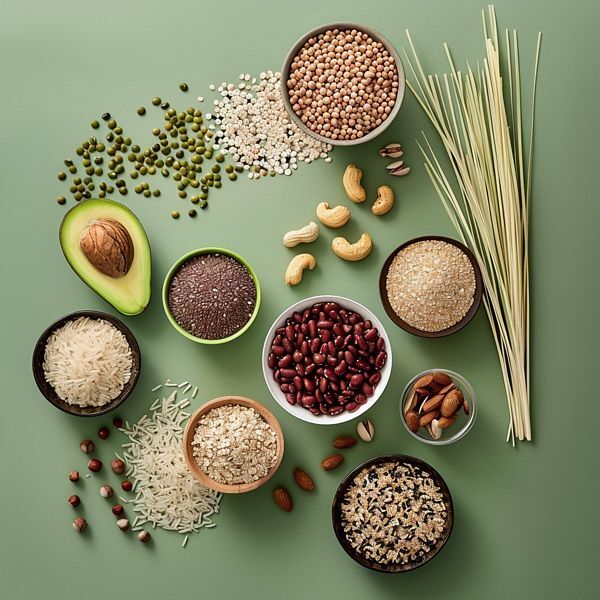
If you eat fruits and veggies three times a day, you won’t be able to maintain a steady energy level. Throw in some grains and beans, which improves and, of course, increases the protein. Add some nuts and avocados, and you get a steady energy source.
Is Fat a Bad Word?
There seem to be two very opposing camps on this. The carbs for energy folks want you to get your energy from carbs and cut the fat. The primal folks want you to skip the carbs and get your energy from fat.
The answer lies in between and is relative to your lifestyle and metabolic makeup. But simply relying on carbs three times a day, as did most of the folks I interviewed, you are ending up literally starving half your waking hours. No wonder why the comfort of going back to a fat and hence animal-based diet makes sense. The fat taking longer to process provided fuel long after the carbs had been used up.
Your body burns both fat and carbohydrates. At rest, it burns more fat than carbohydrates. The more in shape you are, the more fat your body burns at rest. But when you start working out, you will burn more carbohydrates.
So, it really is your choice to eat more or less carbs or fat. Play with the balance of your lifestyle. If you are going to eat three squares a day, you will no doubt need more fat. If you are going to graze all day, you probably can get away with an all-carb diet, and your body can store the extra as fat.
Bear in mind that extracted oils are not a whole food. They are refined fats. So, getting your fats from nuts, seeds, avocados, etc., is a healthy approach when done in moderation. Getting fats straight from extracted oil is now questioned in much of the current health literature.
Sources of Energy
Most whole foods contain everything you need to sustain energy. If you use some common sense with your activity level, you can intuitively get the right amount of energy to sustain you.
Perhaps find some balance by eating a mid-morning and mid-afternoon snack. Nuts and dried fruit are great ways to build that balance between immediate and sustained energy fueling.
So, before you give up on your Plant-Based Diet, please pass the fat.

Note: Lester is not a nutritionist or medical practitioner. These ideas for thought and consideration in building a conscious diet should not be considered dietary advice.